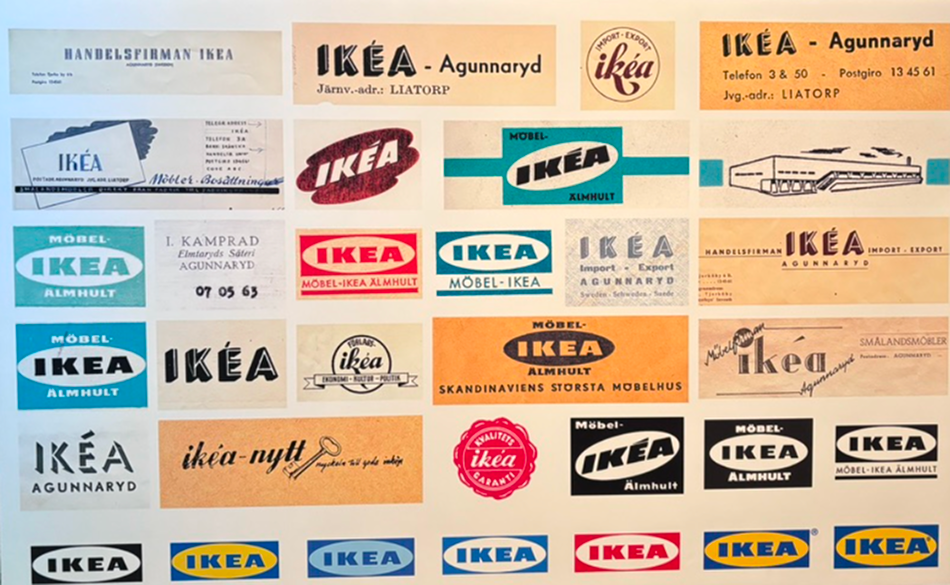
Everything seems so exciting in the world of design right now. New tools come out every month. A new capability gets discovered. Our workflows become faster, and before we know it, the design process as we knew it a year ago looks almost unrecognizable. From new software to bespoke tools, customization has become increasingly intertwined with the optimization of our processes. I don’t think this was a consequence I had considered when I first thought about AI in the context of design.
Matter of fact — I thought the opposite.
With designs being fed into models to increase visual “taste,” I assumed our outputs would become increasingly homogenous and indifferent from one another. If models are trained on what we collectively consider “good” design, wouldn't they eventually push us toward the same visual language? Taste, in this sense, starts to feel almost objective: things either look good or they don't.
This has sent the design world into a frenzy around taste. Designers are trying to articulate what makes their work feel personal, developing increasingly specific visual preferences and aesthetics in an attempt to differentiate themselves. But I think something similar is happening beyond the final artifact.
We are beginning to personalize the process itself.
People are making custom WebGL shader tools, adding live commenting directly into the browser for quicker iterations, creating new plugins in Figma, and building small systems around the way they personally like to work. These tools allow designers to reclaim the process as their own. The tool is no longer just something we use to make the work; it becomes part of the work itself.
But it also made me wonder about something slightly bigger: if software has historically helped bring designers together, what happens when software becomes increasingly personal?
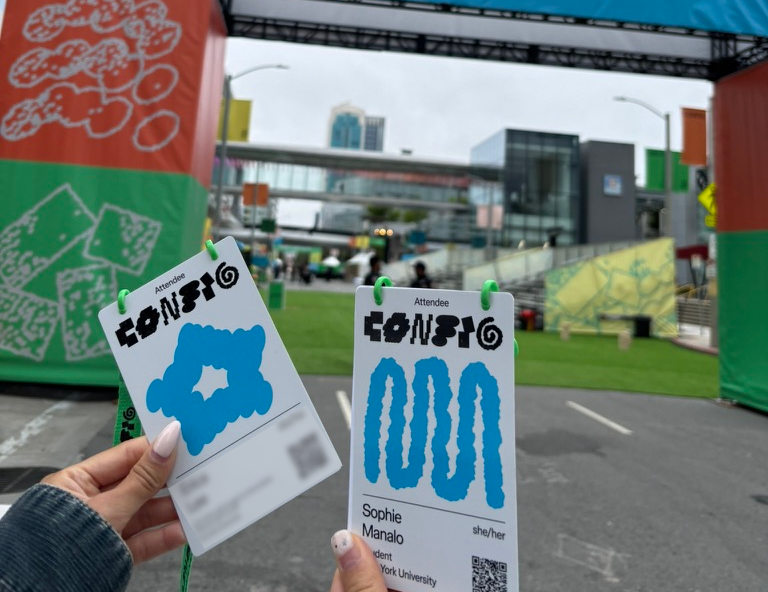
For a long time, the democratization of design has meant making powerful tools and good design accessible to more people. We can trace versions of this idea through design history, from the Bauhaus to mass-produced consumer products. The underlying question has often been: how do we make good design available beyond the people who have traditionally had access to it?
This question becomes especially interesting when we think about taste.
Pierre Bourdieu, in Distinction, argues that taste is not simply an inherent quality. What we consider beautiful, valuable, or desirable is shaped by the environments and experiences we grow up around. Taste is developed through exposure. In other words, our understanding of “good design” is partially a product of the world we have been given access to.
Ingvar Kamprad described IKEA's mission as being to “create a better everyday life for many people.” At the center of IKEA's design philosophy is the idea of balancing form, function, quality, sustainability, and affordability. Good design isn't meant to exist as an exclusive luxury; it should be something that can become part of everyday life.
This philosophy also extends into how IKEA designs. Rather than designing exclusively around the preferences of a small group of designers, IKEA describes its process as beginning with an understanding of how people live around the world, using those insights to shape products around real, everyday needs.
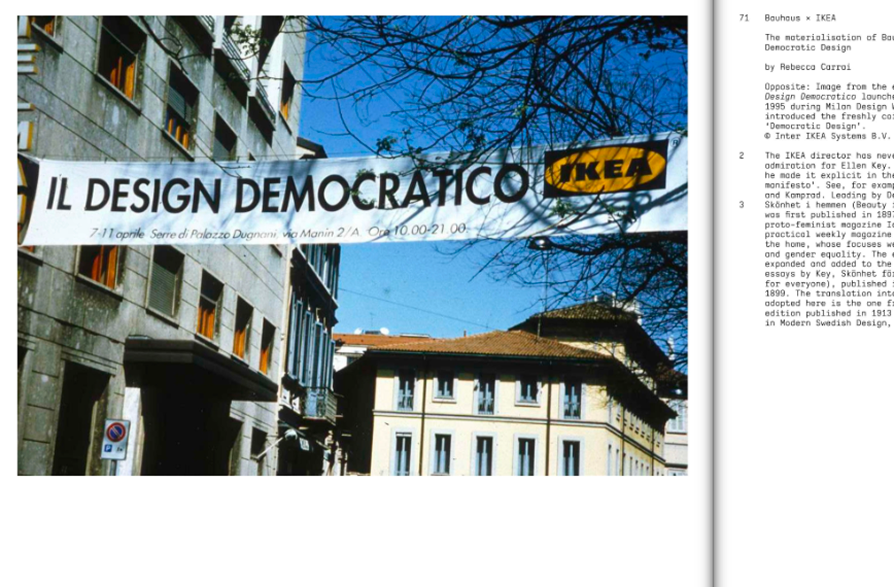
The democratization here is not simply about making a beautiful chair cheaper. It is about making the conditions for experiencing good design more widely available.
And this is where I think software gets interesting.
Design software has historically operated in a similar way. Figma, Photoshop, Illustrator, and countless other tools gave people a shared environment in which to make things. They created common languages, common workflows, and common points of reference. A designer could open someone else's file and understand the basic vocabulary of how it was made.
But AI is beginning to change what democratization looks like.
What if democratizing design no longer means giving everyone access to the same tool?
What if it means giving everyone the ability to make the tool themselves?
A designer who once had to adapt their process to the limitations of their software can now ask software to adapt to them. They can build a plugin for the thing they do repeatedly. They can generate a shader for a very specific visual effect. They can create an agent around a particular research workflow. They can construct an environment that reflects the way they think.
The barrier between using software and creating software is becoming increasingly thin.
And that feels like a meaningful shift in the history of design democratization.
The promise is exciting: more people can shape the tools they use, and therefore shape the way they create. But it also introduces a strange tension. If our tools become more personal, our processes become more personal too. We may no longer share the same workflows, references, or even the same software environments.
Perhaps, then, the community around design software isn't disappearing. It is changing.
Maybe community will no longer come from everyone using the same tool, but from designers sharing the tools they have made for themselves. A plugin. A workflow. A prompt. A tiny shader. An agent. A strange little system that solves a problem no one else thought to solve.
Instead of saying, “Here is the tool everyone should use,” we might increasingly say:
“Here is the tool I made for myself. Maybe it will be useful to you, too.”
Perhaps the next stage of design democratization isn't giving everyone the same tools.
Perhaps it is giving everyone the ability to make their own.